Yes, you can use a paint sprayer for polyurethane, and in many cases, spraying can give you a smoother finish than brushing.
This is especially helpful on furniture, cabinets, doors, trim, railings, shelves, and detailed wood projects where brush marks are easy to see.
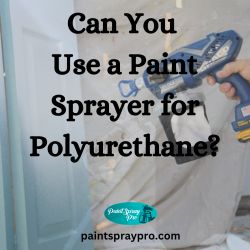
Can You Spray Polyurethane?
Yes, polyurethane can be sprayed, but you need to use the right type of sprayer and follow the product directions on the can.
Water based polyurethane is usually easier for beginners to spray because it dries quickly, cleans up with water, and is often less fussy than oil based polyurethane. Oil based polyurethane can also be sprayed, but it may need mineral spirits for thinning and cleanup, depending on the product instructions.
The most important thing is to check the label. Some polyurethane products are made for brushing, some can be sprayed, and some may require thinning before spraying. If the product says not to thin or not to spray, follow that guidance.
What Type of Paint Sprayer Works Best for Polyurethane?
For most DIY homeowners, an HVLP sprayer is usually the best choice for polyurethane. HVLP stands for high volume, low pressure, and it gives you more control on furniture, cabinets, doors, trim, and smaller wood projects.
HVLP sprayers are popular for clear finishes because they can lay down thin, controlled coats without blasting too much material at once. This helps reduce runs, puddling, and overspray. If you are working on a table, dresser, cabinet door, or shelving unit, HVLP is usually a comfortable place to start.
A handheld sprayer can also work for polyurethane, especially for smaller projects. The downside is that some handheld sprayers may struggle with thicker finishes unless the material is thinned properly. They can also feel heavy once the paint cup is full.
An airless sprayer can spray polyurethane too, but it is often better for larger projects or experienced users. Airless sprayers move material quickly, which can be helpful on big surfaces, but they can also make it easier to apply too much polyurethane if you are not careful.
Water Based vs Oil Based Polyurethane
Water based polyurethane is a good choice when you want a clear finish that dries faster and has less amber color. It is commonly used on painted furniture, light wood, cabinets, crafts, and indoor projects where you do not want the finish to yellow too much.
Oil based polyurethane usually adds a warmer, amber tone. Some people love that look on stained wood because it gives the piece a rich finish. The tradeoff is that oil based poly usually takes longer to dry and may need mineral spirits for thinning and cleanup.
For a beginner using a sprayer, water based polyurethane is often the easier starting point. It is still important to spray light coats, but cleanup is simpler and the finish is usually easier to manage.
Should You Thin Polyurethane Before Spraying?
Maybe. It depends on the polyurethane and the sprayer.
Some water based topcoats are ready to spray right out of the container, while others may need a small amount of water or extender. Some oil based polyurethanes may need mineral spirits. The product label should always be your main guide.
If the polyurethane is too thick for your sprayer, it may sputter, spit, or create orange peel texture. If it is too thin, it may run, sag, or look uneven. That is why testing matters.
Start by straining the polyurethane through a paint strainer before putting it into the sprayer. This removes tiny clumps or dried bits that can clog the tip. Then spray a test piece of cardboard or scrap wood before touching your actual project.
How to Prep Before Spraying Polyurethane
A smooth sprayed polyurethane finish starts before you ever pull the trigger.
First, make sure the surface is clean and dry. Dust, grease, wax, fingerprints, and sanding residue can all create problems. If you are spraying over stained wood, make sure the stain is fully dry before applying polyurethane.
Next, lightly sand the surface if needed. For bare or stained wood, follow the finish instructions for sanding grit. For recoating an existing polyurethane finish, lightly scuff sand so the new coat has something to grip.
After sanding, remove every bit of dust you can. Use a vacuum, clean cloth, or tack cloth depending on the project. Dust is one of the biggest reasons a clear coat feels rough after spraying.
How to Spray Polyurethane With a Paint Sprayer
Set up your sprayer according to the manual, then test the spray pattern on scrap material. You want a smooth, even fan pattern without heavy edges, sputtering, or large droplets.
Hold the sprayer the same distance from the surface as you move. Keep your wrist straight and move your whole arm instead of swinging your hand in an arc. That helps keep the coat even from one side to the other.
Spray light coats rather than trying to build the finish all at once. Polyurethane looks best when it is applied in thin, even layers. A heavy coat might look glossy at first, but it can run, sag, bubble, or dry unevenly.
Overlap each pass slightly so you do not leave stripes. On vertical surfaces, be extra careful because polyurethane can run quickly if you apply too much.
Do You Need to Sand Between Coats?
In many cases, yes. Light sanding between coats helps smooth out dust nibs, small imperfections, and rough texture. It can also help the next coat bond properly.
Use fine grit sandpaper, often around 320 to 400 grit, unless your product label recommends something different. Sand lightly. You are not trying to remove the coat you just sprayed; you are only smoothing the surface.
After sanding, remove all dust before applying the next coat. If dust stays on the surface, it can get trapped under the next layer and make the finish feel gritty.
Common Problems When Spraying Polyurethane
One common problem is orange peel, which looks like a bumpy texture instead of a smooth finish. This can happen when the finish is too thick, the sprayer settings are off, or the spray is drying before it levels.
Runs and sags usually happen when too much polyurethane is sprayed in one area. This is especially common on vertical surfaces, edges, and corners.
Dust nibs happen when dust lands in the wet finish or stays on the surface after sanding. A cleaner workspace and careful dust removal can make a big difference.
Cloudiness can happen when moisture, incompatible products, or trapped residue interfere with the finish. This is another reason to test on scrap wood before spraying the real project.
Is Spraying Better Than Brushing Polyurethane?
Spraying can be better if you want a smooth finish without brush marks. It is especially helpful for detailed furniture, cabinet doors, spindles, trim, and surfaces where a brush might leave streaks.
Brushing can still be the better choice for small projects, quick touch ups, or areas where overspray would be hard to control. A good brush or pad can give excellent results when used carefully.
The biggest advantage of spraying is the finish quality. The biggest disadvantage is the setup and cleanup. You need to mask nearby surfaces, strain the finish, test your pattern, spray carefully, and clean the sprayer right away.
Cleaning Your Sprayer After Polyurethane
Do not let polyurethane dry inside your sprayer. That is one of the fastest ways to clog the tip, damage small parts, and turn a simple cleanup into a much bigger problem.
For water based polyurethane, cleanup is usually done with water, but always check the label. For oil based polyurethane, you may need mineral spirits or another recommended solvent.
Clean the cup, nozzle, spray tip, filter, pickup tube, and any parts that touched the finish. A small spray gun cleaning kit is helpful because clear finishes can hide in tiny passages.
Conclusion
You can use a paint sprayer for polyurethane, and it can be a great way to get a smooth, professional looking finish on furniture, cabinets, doors, trim, and wood projects. For most DIY homeowners, an HVLP sprayer and water based polyurethane are usually the easiest combination to start with.
The key is to keep the coats light, strain the finish, test your spray pattern, sand between coats when needed, and clean the sprayer right away. Spraying polyurethane is not hard, but it does reward patience, clean prep, and a little practice before you spray the real project.
- Can You Spray Polyurethane?
- What Type of Paint Sprayer Works Best for Polyurethane?
- Water Based vs Oil Based Polyurethane
- Should You Thin Polyurethane Before Spraying?
- How to Prep Before Spraying Polyurethane
- How to Spray Polyurethane With a Paint Sprayer
- Do You Need to Sand Between Coats?
- Common Problems When Spraying Polyurethane
- Is Spraying Better Than Brushing Polyurethane?
- Cleaning Your Sprayer After Polyurethane
- Conclusion
- References
References
General Finishes; How Do I Spray Water Based Finishes?
General Finishes; High Performance Water Based Polyurethane Topcoat application guidance.
Graco; Fine Finish Sprayers for Paints and Stains.