A paint sprayer that starts spitting paint can turn a simple DIY project into a frustrating mess very quickly.
One minute you are expecting a smooth, even finish; the next minute the sprayer is splattering, pulsing, dripping, or throwing little blobs of paint across your wall, cabinet, fence, or furniture.
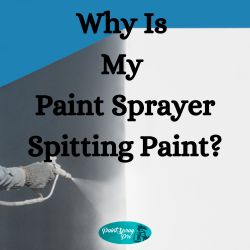
Why Is My Paint Sprayer Spitting Paint?
The good news is that paint sprayer spitting is usually fixable. Most of the time, the problem comes from a clogged tip, dirty filter, thick paint, air getting into the system, low paint level, or a loose part that needs to be cleaned or adjusted.
What Does Paint Sprayer Spitting Mean?
When a paint sprayer spits, it usually means the paint is not flowing smoothly through the sprayer. Instead of coming out in a steady mist, it comes out in bursts, droplets, blobs, or uneven splatter.
You might notice spitting right when you pull the trigger, when you release the trigger, or during the entire spray pass. It can happen with airless sprayers, HVLP sprayers, handheld sprayers, and smaller cup style sprayers.
A little uneven spray at startup can happen, especially if the sprayer has not been fully primed. But if it keeps spitting after a few test sprays, something needs attention before you keep painting.
The Spray Tip May Be Clogged
A clogged or partially clogged spray tip is one of the most common reasons a paint sprayer spits paint.
Tiny dried paint pieces, debris, dust, or skin from the paint can block part of the spray opening. When that happens, the sprayer may spit, sputter, spray to one side, or leave an uneven pattern.
If you are using an airless sprayer with a reversible tip, follow your manual to clear the clog. Usually, this means turning the tip to the clean out position and spraying into a waste bucket for a second. Then turn the tip back and test the pattern on cardboard.
For HVLP and handheld sprayers, remove the nozzle or tip and clean it carefully. A small sprayer cleaning brush or spray gun cleaning kit is helpful here. Avoid poking the tip with nails, wire, or anything sharp that could damage the opening.
The Paint May Be Too Thick
Thick paint is another common cause of spitting. If the paint is too heavy for the sprayer, it may not atomize properly. Instead of creating a fine mist, the sprayer struggles and spits paint unevenly.
This happens a lot with latex paint, primer, cabinet paint, exterior paint, and older paint that has started to thicken in the can.
Check the paint label and your sprayer manual before thinning. Some paints can be thinned with water, while others need a specific thinner. Some products should not be thinned at all.
Before thinning, strain the paint through a disposable paint strainer. Sometimes the problem is not the thickness of the paint itself; it is small lumps or dried bits floating in the paint.
The Filter May Be Dirty
A dirty filter can restrict paint flow and cause spitting. Many sprayers have more than one filter or strainer, and each one can create problems if it gets blocked.
Airless sprayers may have an inlet strainer, pump filter, and gun filter. Handheld and HVLP sprayers may have a small filter, pickup tube screen, or cup filter.
If paint cannot move smoothly through the filter, the sprayer may pulse, spit, or spray unevenly. Remove the filter and clean it according to the sprayer manual. If the filter is packed with dried paint or will not clean properly, replace it.
Replacement filters are worth keeping on hand, especially if you spray latex paint, primer, stain, or thicker coatings.
There May Be Air in the Sprayer
Air in the system can cause spitting, surging, or an uneven spray pattern.
With an airless sprayer, air can enter through loose intake connections, a suction tube that is not fully submerged, or a sprayer that was not primed properly. If the pump is pulling air along with paint, the spray will not be steady.
With a cup style sprayer, air problems can happen if the cup is not seated correctly, the lid is loose, the gasket is damaged, or the paint level is too low.
Make sure everything is tight, seated, and properly connected. If your sprayer has a suction tube, keep it fully in the paint. If you are using a handheld sprayer, check that the cup is attached correctly and has enough paint in it.
The Nozzle or Needle May Be Dirty
On HVLP and detail sprayers, spitting often comes from dried paint around the nozzle, needle, or air cap. Even a small amount of buildup can interrupt the spray pattern.
Take the front end apart according to the manual and clean each piece. Pay special attention to the air cap holes, fluid tip, needle, and threads where paint can collect.
If paint has dried inside the nozzle, let the metal parts soak in the correct cleaner for the paint you used. Water based paint usually needs water or a recommended cleaner. Oil based paint may need mineral spirits. Lacquer needs lacquer thinner.
Once the parts are clean, reassemble the sprayer carefully. A loose nozzle can cause spitting too, so make sure everything is snug without overtightening.
The Pressure or Flow Setting May Be Wrong
Sprayer settings can also cause spitting. If the pressure is too low, the paint may not break up into a smooth spray. If the material flow is too high, the sprayer may dump too much paint at once.
Start with a test spray on cardboard. Adjust the pressure or flow slowly until the spray pattern looks even. Do not make huge changes all at once because it becomes harder to know what fixed the problem.
For airless sprayers, use the lowest pressure that gives a clean spray pattern. For HVLP and handheld sprayers, balance the air setting and material flow so the finish looks smooth without heavy droplets.
The Paint Cup or Suction Tube May Be Positioned Wrong
Some handheld and HVLP sprayers use a suction tube inside the paint cup. If that tube is turned the wrong way, the sprayer may suck air instead of paint when you tilt it.
This can happen when spraying up, down, sideways, or around furniture. One moment the sprayer works fine, then it starts spitting because the tube is no longer sitting in the paint.
Check your manual for how to position the suction tube. Many cup sprayers let you angle the tube forward or backward depending on whether you are spraying upward or downward.
Also, do not let the paint level get too low. A nearly empty cup can cause the sprayer to pull air and spit.
The Tip or Needle May Be Worn
If the sprayer is clean, the paint is strained, the settings are correct, and it still spits, a worn part may be the issue.
Spray tips wear out over time. Needles, seals, gaskets, and nozzles can also wear, especially if the sprayer has been used a lot or cleaned roughly.
A worn tip may still spray paint, but it may not spray evenly. A damaged needle or seal can cause dripping, spitting, or paint leaking after you release the trigger.
For DIY homeowners, this is easy to overlook. Cleaning fixes a lot of problems, but sometimes a small replacement part is the real answer.
How to Fix a Spitting Paint Sprayer
Start simple. Stop spraying and test on cardboard instead of your project. Check the paint level, make sure the sprayer is primed, and confirm that the cup, lid, hose, and intake parts are tight.
Next, clean the spray tip, nozzle, and filters. Strain the paint before putting it back in the sprayer. If the paint seems too thick, check the product label and sprayer manual before thinning.
Then adjust your pressure or flow setting slowly. If none of that works, inspect the tip, needle, gasket, and seals for wear or damage.
How to Prevent Spitting Next Time
The easiest way to prevent spitting is to keep paint clean and keep the sprayer clean.
Strain your paint before spraying. Clean the tip, filter, nozzle, cup, and pickup tube right after each project. Do not let paint dry inside the sprayer.
Use the right tip or nozzle for the material, and test the spray pattern before you start painting the actual surface. A few minutes of testing can save you from sanding down splatter later.
It also helps to keep a small cleaning kit, extra filters, spare tips, paint strainers, and shop towels nearby. Those little supplies make troubleshooting much easier when something goes wrong halfway through a project.
Conclusion
If your paint sprayer is spitting paint, the most likely causes are a clogged tip, dirty filter, thick paint, air in the system, low paint level, wrong settings, or dirty nozzle parts. The fix usually starts with cleaning, straining the paint, checking connections, and testing the spray pattern before going back to the project.
Do not keep spraying over the problem and hoping it will disappear. Stop, troubleshoot one thing at a time, and test on cardboard until the sprayer gives you a smooth pattern again. Most spitting problems are annoying, but they are also very fixable with a little patience and basic maintenance.
- Why Is My Paint Sprayer Spitting Paint?
- What Does Paint Sprayer Spitting Mean?
- The Spray Tip May Be Clogged
- The Paint May Be Too Thick
- The Filter May Be Dirty
- There May Be Air in the Sprayer
- The Nozzle or Needle May Be Dirty
- The Pressure or Flow Setting May Be Wrong
- The Paint Cup or Suction Tube May Be Positioned Wrong
- The Tip or Needle May Be Worn
- How to Fix a Spitting Paint Sprayer
- How to Prevent Spitting Next Time
- Conclusion
- References
References
- Graco; Frequently Asked Questions; Magnum and TrueCoat product lines.
- Graco; How to Clean Up a Paint Sprayer.
- Wagner SprayTech; Control Pro 130 Troubleshooting; Clearing a Clogged Spray Tip.